
Releasing Monarchs
And their transformation inspiration

I've been raising butterflies for the last four years.
Recently, we had a terrible hailstorm in our area. The hail covered the ground like snow. We were lucky — it didn’t hail at our house — but my mom sent pictures of her shredded plants. There were continued threats of hail for the next several days.
Just days before, I had watched a Monarch butterfly lay eggs on our milkweed.


Milkweed is the only plant Monarch caterpillars will eat. Unfortunately, milkweed has been declining for decades, and in just the last twenty years, we’ve lost more than half of it due to urbanization, herbicides, and other factors.
Because of this, Monarch populations are struggling. Though not officially listed as endangered in the US, they meet all the criteria.
So, when I saw that Monarch laying her eggs, I decided to keep a close watch. When the storm came, I couldn't bear the thought of the eggs being destroyed, so I brought some inside. When they hatched, they were tiny — just a fraction of size of a grain of rice.
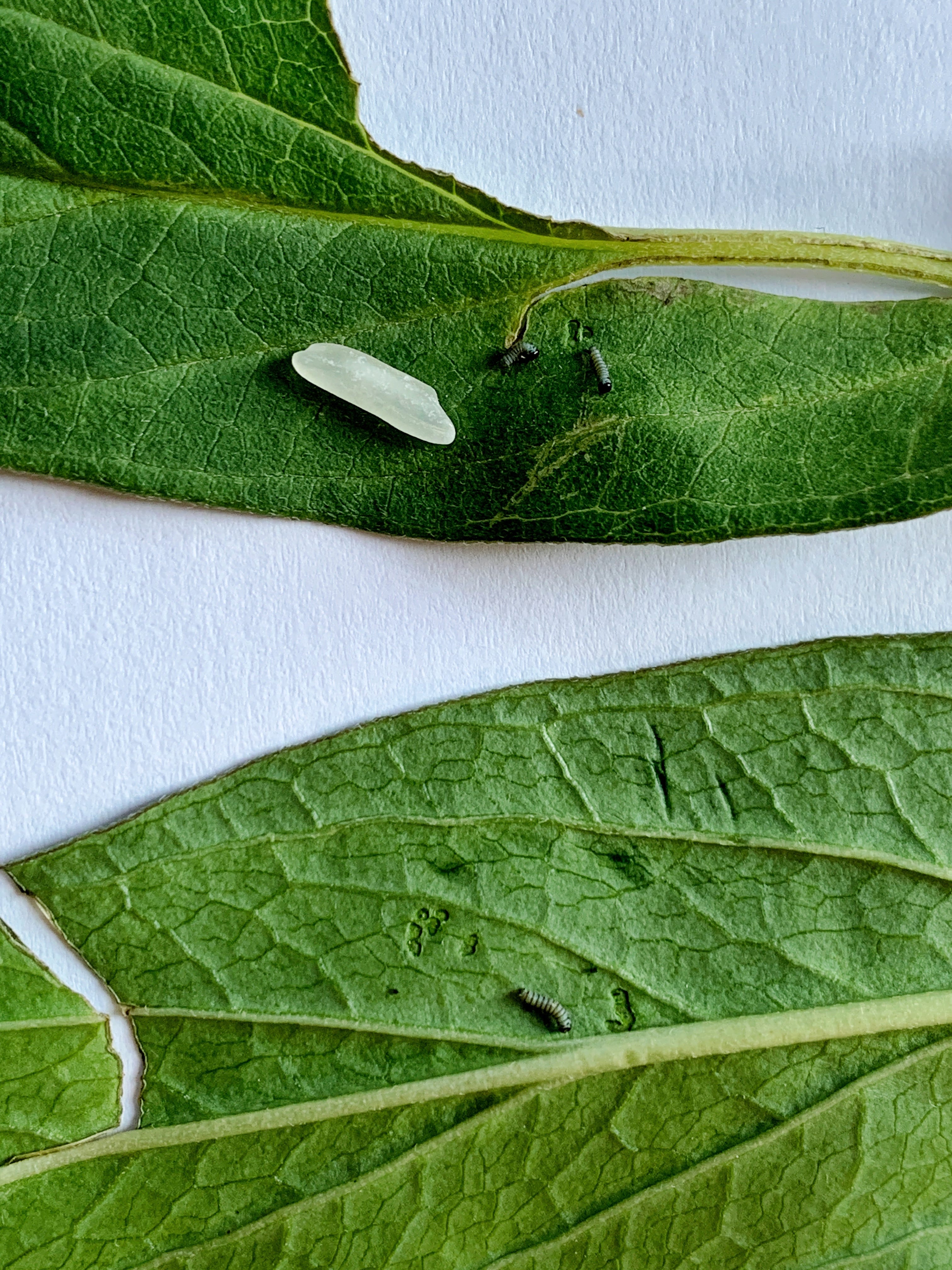
I watched them grow day by day, until they climbed to the top of the enclosure and formed their chrysalises.
Despite checking the milkweed in the garden daily, I never saw any caterpillars outside. I’m not sure if any of the eggs I left behind survived.
Once inside the chrysalis, the caterpillar undergoes a process called autolysis — its tissues dissolve into a cellular “soup,” and from that, the butterfly is formed. Watching a butterfly emerge is breathtaking. First, the chrysalis turns transparent, revealing the butterfly inside.


When it finally emerges, its wings are small and crumpled; it must hang and pump fluid into them to expand and dry before it can fly.
Yesterday, I released two Monarchs. The day before, two more. I have two left — one will likely be ready today, and the last one tomorrow.
Humans have been captivated by butterflies for as long as we’ve shared this earth. They are powerful symbols of growth and transformation.
Even the ancient Greeks used the word psyche to mean both “butterfly” and “soul.”
Simply watching butterflies can reduce anxiety and remind us of our connection to nature.
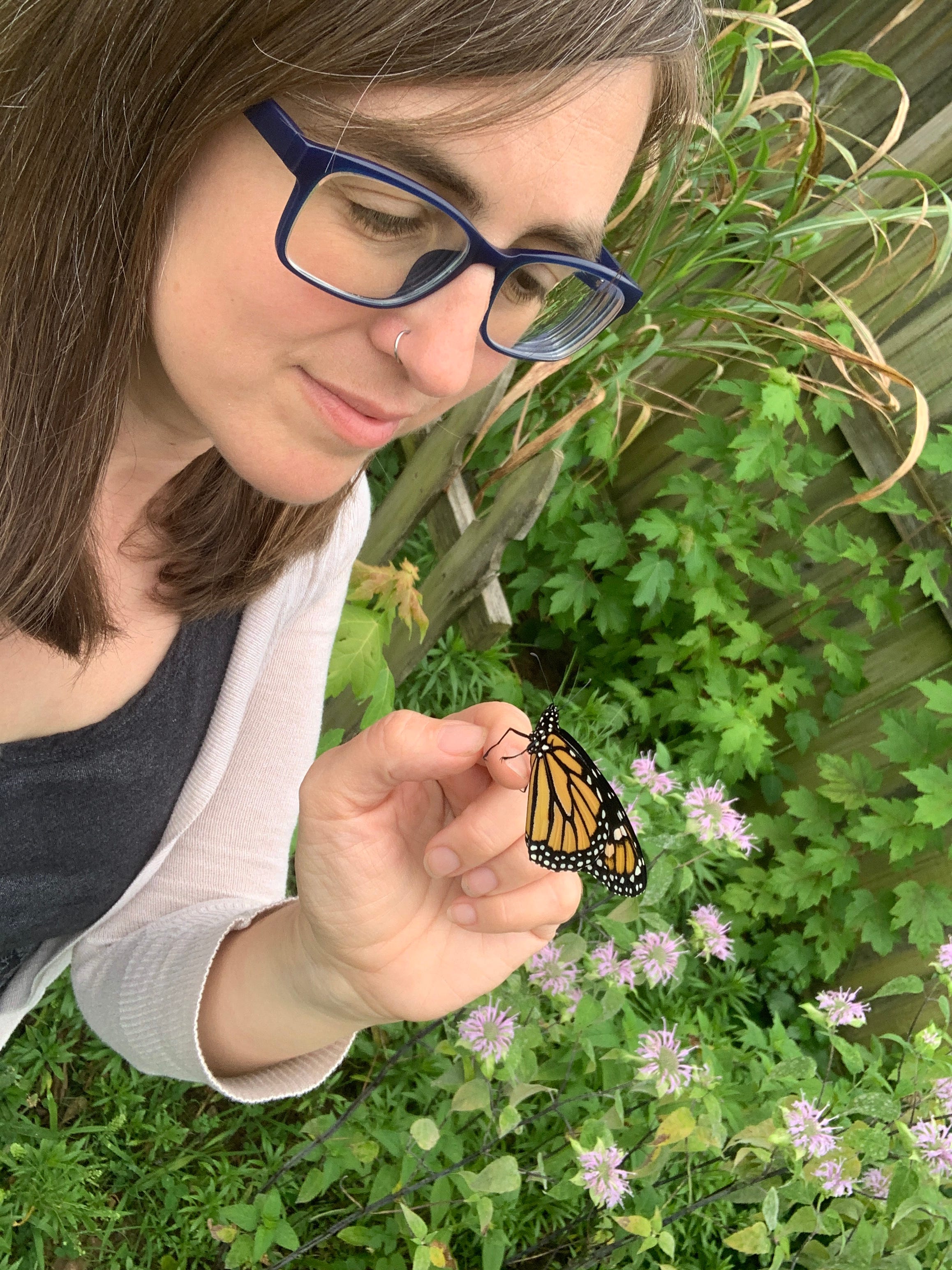
Their greatest gift, perhaps, is the reminder that profound transformation is possible. Through them, we witness the seemingly impossible becoming real. We are shown that we, too, might carry the potential to grow and change into something even more magnificent.
But the inspiration doesn’t stop with the butterfly in flight. We can learn from the tiny caterpillar who devotes itself to growth. We can be inspired by its inner wisdom to become still and quiet at the right moment. We can admire its willingness to shed its old self — to let go completely — so it can transform into what it was always meant to be.
What growth have you experienced in this life? And what are you being called to transform into next?
I have been going through my own metamorphosis lately as I decided to take on a large and exciting project, publishing a 100-year anniversary edition of Florence Scovel Shinn’s The Game of Life and How to Play It, as well as building an off-social media community on Circle.so called Living The Game of Life. I wrote more about it a couple of weeks ago. You can read it here.
I have been sharing my new community with a few people and will be starting to share it more widely. If you have already joined me there, thank you. I look forward to spending more time with you.
This community will be a grounded space for women who are ready to live more intentionally — letting go of negative self-talk, emotional heaviness, and old stuck energy, and beginning to rediscover themselves and consciously create what they truly want (instead of letting life just “happen”).